Repertoire
Ancient Tamil refers to the earliest attested stage of the Tamil language (3rd century BCE to 7th century CE). It remains one of the longest-surviving languages in the world.
As the theme for this recital, Sanga Thamizh captures a glorious literary and musical evolution where language, nature, and the human soul exist in perfect harmony. This journey begins with the ancient, secular corpus composed between 300 BCE and 300 CE in Madurai, structured around the Athinai system where five distinct geographical landscapes perfectly mirror the human experiences of Akam (interior love) and Puram (exterior valor).
By going through different eras, the recital’s theme celebrates a magnificent, multi-century heritage of cultural pride, showing how Tamil literature began as an exquisite song to the earth, evolved into a profound cry of spiritual surrender, and blossomed into absolute, bubbling bliss.
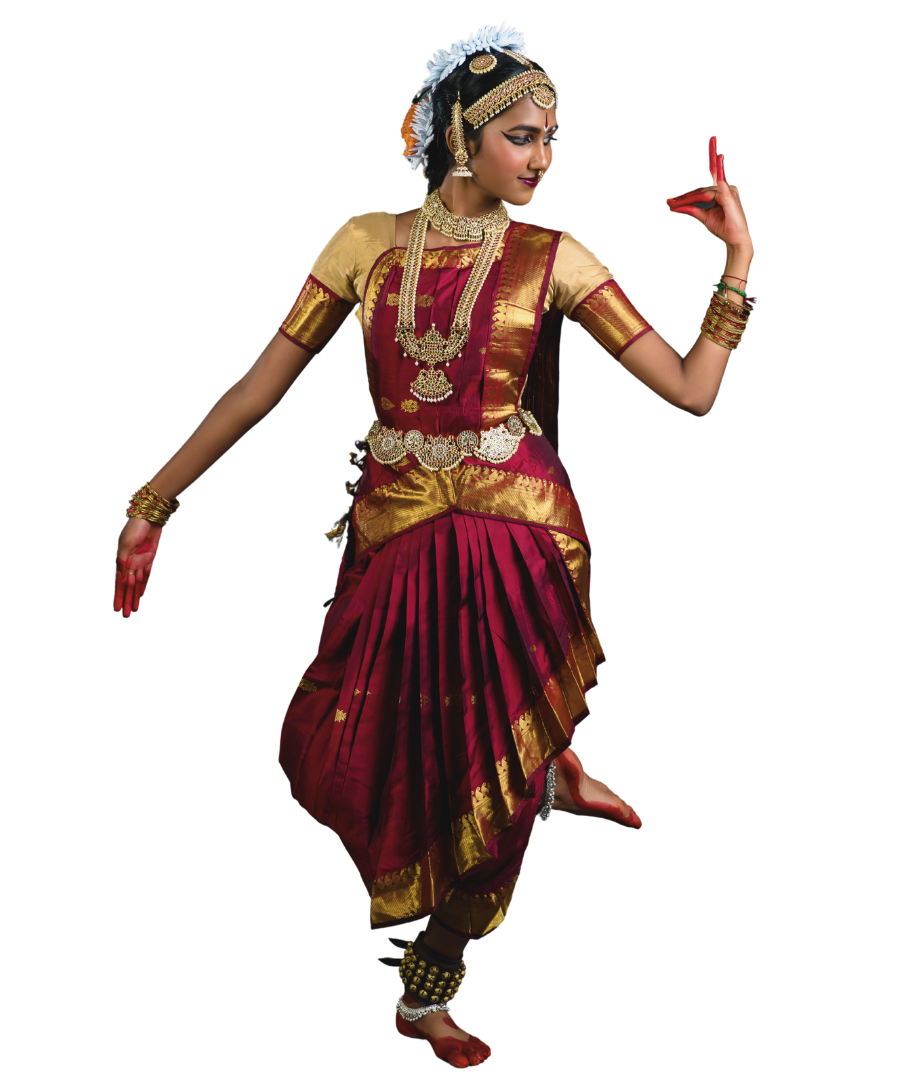
Pushpanjali
Composer: Mayavaram Shri. T. Viswanathan
Tala: Adi
Language: Tamil
A pushpanjali is the traditional invocatory piece of a Barathanatyam arangetram. Through the Pushpanjali, the dancer offers flowers and prayers, seeking the blessings of God and paying respect to the guru, the family, the musicians, and the audience as she embarks on her journey into the world of Barathanatyam. This pushpanjali concludes with a prayer to Lord Ganesha who is the remover of obstacles from the dancer’s path. In this heartfelt prayer, the Saint Avvaiyar requests the elephant headed lord to teach her the three forms of Tamil literature, iyal (literature), isai (music), and nadagam (drama) in exchange for pallum (milk), thelzhi thennum (honey), pagum (jaggery), and parupum (lentils).

Silapathikaram Kauthuvam
Composer: Mayavaram Shri. T. Viswanathan
Tala: Chathusra Ekam
Language: Tamil
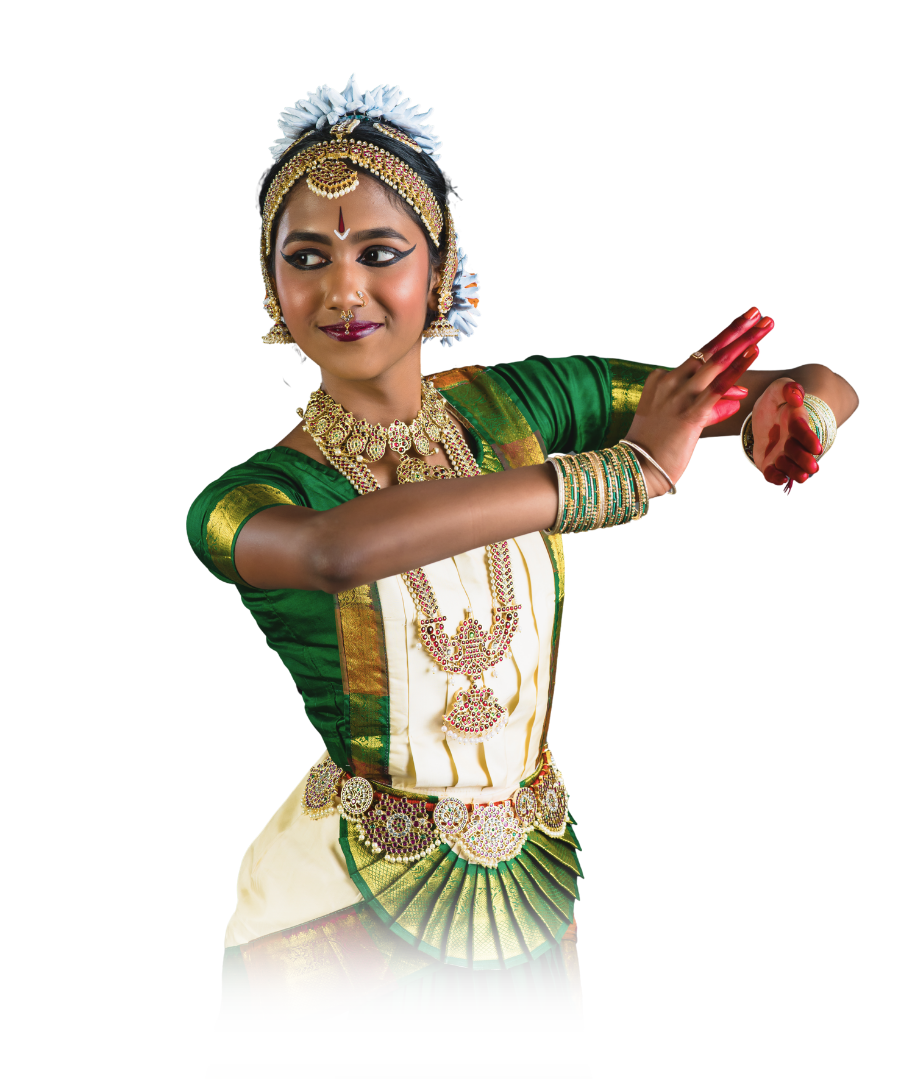
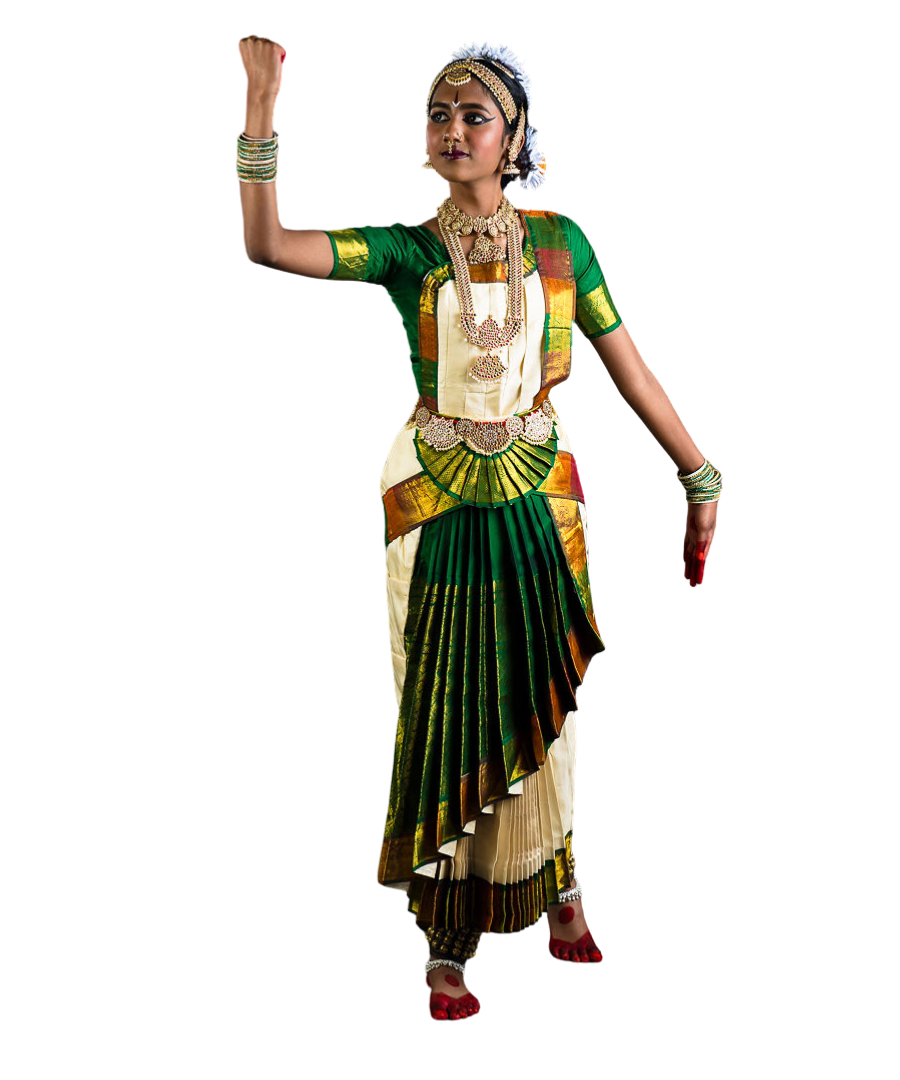
Characterized by a distinct structure, a Kauthuvam opens with the rhythmic recitation of sollukattus (dance syllables) that dictate the choreography, which then transition into lyrics set to the same rhythmic meter.
Silapathikaram, which translates into "The Tale of the Anklet,” is a 5th-century Tamil epic authored by the poet-prince Ilango Adigal. It is the tragic love story of a merchant, Kovalan, and his devoted wife, Kannagi. After losing his fortune to courtesan Madhavi, Kovalan returns to his wife. They travel to Madurai to start anew, but Kovalan is wrongfully executed for stealing the queen's anklet when trying to sell Kannagi’s anklet. This piece masterfully captures the dichotomy of womanhood through two central figures: the dignified virtue of Kannagi and the exquisite dance mastery of Madhavi. Ultimately, the piece culminates in a powerful portrayal of Kannagi’s righteous fury as she stands before the King to demand justice for the wrongful verdict against her husband.
Muthamizh Solaiyile
Composer: Shri. K. N. Dandayudapani Pillai
Tala: Adhi
Language: Tamil
Muthamizh Solaiyile takes us on a dreamlike journey through the garden of the three branches of Tamil: iyal (literature), isai (music), and nadagam (drama). This song portrays a young woman in her dream who wanders through a beautiful garden and witnesses the greatness of Tamil culture come to life before her. The dream captures the literary symbols of the three ancient Tamil dynasties, Cholas (tiger emblem), Pandyas (fish emblem), and Cheras (bow and arrow emblem) meeting on the grand stage. She also witnesses the arrival of prince-poet Ilango Adigal who crafted the Silapathikaram epic that detailed the story of Kovalan and Kannagi.
As she explores further, the philosophical wisdom of the legendary poet Kamban completely captivates her soul, while the sage Thiruvalluvar introduces his timeless teachings of justice alongside Saint Avvaiyar, who sings of righteousness to ensure these values endure for generations. This historical gathering culminates in a scene of pure joy, where the Chola, Pandya, and Chera kings, completely mesmerized by the music alongside the people of the South, stand together, dancing in harmony.
Ultimately, the woman awakens from the enchanting dream as the sweetness of children’s laughter fills the air which leaves her wishing she could remain in that magical world just a little longer.
Adhi Shivane
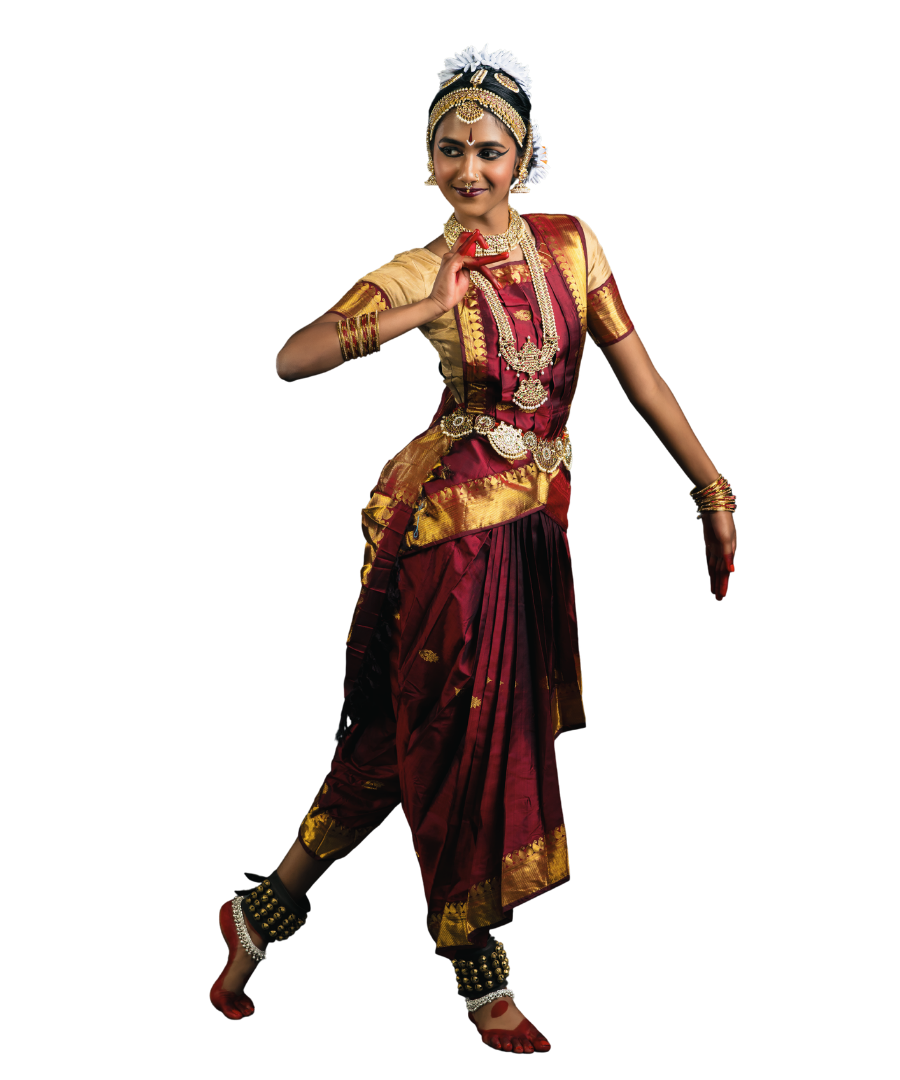
Composer: Shri. K. N. Dandayudapani Pillai
Tala: Adhi
Language: Tamil
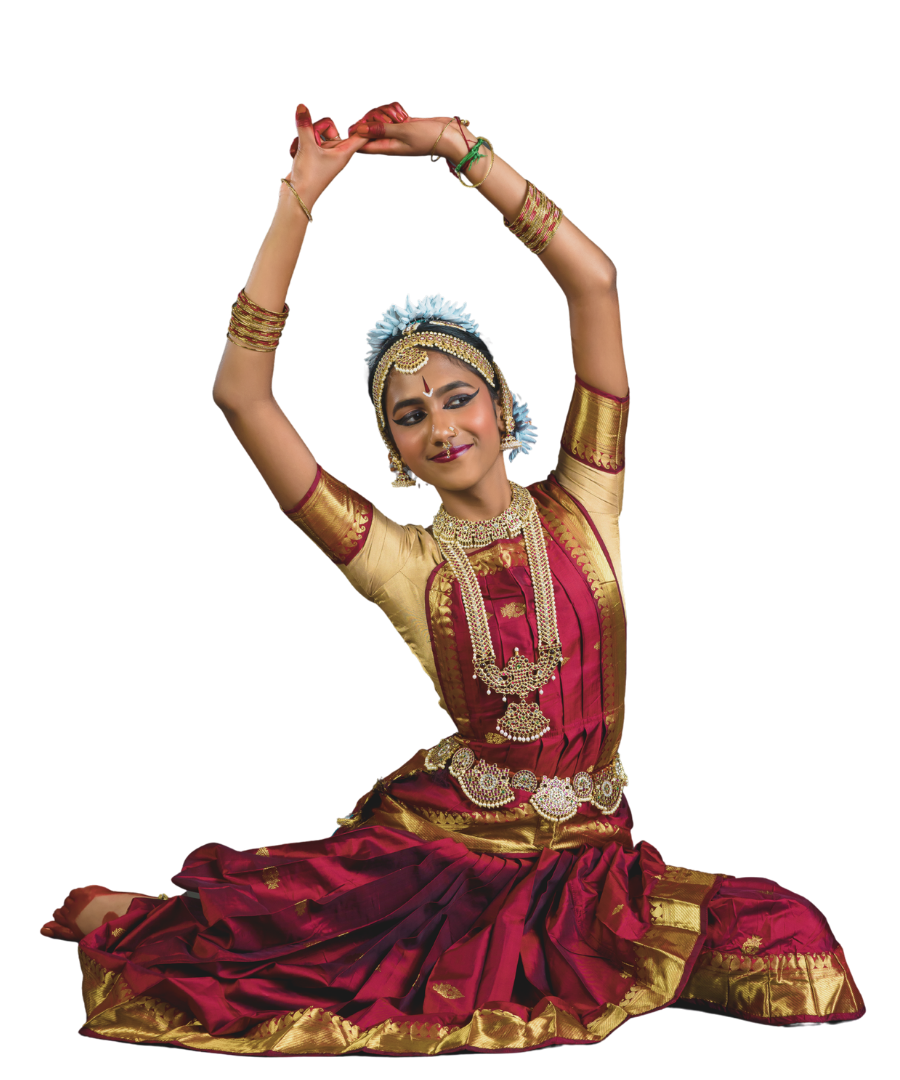
Varnam is the longest and most challenging piece in an arangetram, challenging both the dancer’s stamina for their complex footwork and their expressive storytelling. This varnam is a profound spiritual medley that weaves together classical Tamil literature, sacred mythology, and devotion along with six emotional stages of the young maiden.
The first piece depicts the origin of the primordial sound from which creation itself emerged. Through Shiva’s powerful Tandava, the cosmic dance of creation and destruction, the vibration of Om resounds across the universe, giving rise to all existence.
The second piece opens with a young maiden's longing (Bhakti) to have a glimpse of Lord Shiva, elevated by the Periya Puranam’s invocation praising his supreme form with his matted locks adorned with the crescent moon and the holy River Ganges. Through expressive dance, this narrative recounts how Lord Shiva humbled the prideful sages who wrongly believed their rituals held the power of creation and destruction. Consumed by jealousy when their wives were captivated by Shiva’s beautiful ascetic form, the sages unleashed a fierce tiger, a deadly serpent, and a sacred fire. Lord Shiva effortlessly subdued them: donning the tiger's skin to symbolize mastery over primal instincts, wearing the serpent to show triumph over fear, and holding the flame of Agni to burn away illusion. Finally, when they sent the dwarf demon Apasmara, representing spiritual ignorance, Shiva pinned him beneath his foot to show that the human ego must be suppressed by spiritual awareness. Unleashing his majestic Tandava dance, He humbled the sages into absolute surrender as the ultimate upholder of Dharma.
Following this piece, the dancer portrays Adbhutam (wonder) as she marvels at his Ardhanarishvara form, where he conceals Goddess Parvati within half his body. This form beautifully juxtaposes Shiva’s ascetic nature with Parvati’s elegant grace. On the right, Shiva features wild matted locks, a simple tiger-skin garment, a coiled serpent around his neck, and a fierce third eye. In striking contrast, the left side belongs to Parvati, showcasing beautifully braided hair, a flowing silk sari, sun-and-moon jewelry with bangles, and gentle, fish-shaped eyes.
The fourth piece shifts to the legendary story of Shivapuranam, depicting the contest between Brahma and Vishnu as they try to find the beginning and end of Shiva's infinite form. Brahma flies high as a swan and Vishnu digs deep as a boar, but both fail to reach the end or the beginning. This revelation shows Shiva to be the supreme cosmic pillar of light (Paranjothi) who transcends all creation, proving he has no master, origin, nor limits. Drawing from the verses of Thiruvasagam, the narration reaches a climax of absolute surrender as the maiden receives the three-eyed Lord's gaze of pure mercy. This concludes with a breathtaking visualization of Shiva as an all-pervading light, leaving the realization that human language is entirely inadequate to capture the true scale of his divine glory.
The final piece depicts how at twilight, the young maiden’s initial awe shifts into the agonizing torment of Viraha (the agony of separation) as the evening clouds her intellect with distress, and she feels physically pierced by the flower-arrows of Manmatha (the god of love). Nature itself seems to mock her, turning the song of the cuckoo into a tormenting call that makes her heart ache. Plunged into deep Dainya (despair), she confides in her friend, wondering why she must hide this love like a shameful secret, and anxiously questions why her victorious Lord, who rides a majestic vehicle, has not yet come to her. She laments how her heart—which once spent every day actively searching for Him, seeking and yearning for His grace, and joyfully singing His praises—has now completely withered and grown physically weak from the grueling wait.
A flash of Harsha (ecstatic joy) breaks through as she recalls a vivid dream where the Lord united with her and promised never to leave. Yet, waking to the reality that this world-renowned King of Kings has not willingly come to claim leaves her thin with grief. Fueled by Mana (dignity and righteous pride), she refuses to compromise, demanding an honorable marriage to attain a life together. Ultimately, the piece reaches a powerful climax of Dhriti (unshakeable determination), culminating in her fierce declaration that even if the heavens collapse or the earth turns over, she will never forget her Lord (Gnaana Sabhesan).
Maha Kali
Composer: Madurai Shri R. Muralidaran
Tala: Adhi
Language: Tamil
This devotional piece is a powerful prayer of praise and surrender addressed to the supreme goddess, Adi Parasakthi, celebrating her roles as both a magnificent cosmic protector and a source of personal enlightenment. The hymn begins by exalting the Mother Goddess under various divine names including Ambigai, Anantha Valli, Mahakali, Maheshwari, and Mahisasura Mardhini hailing her as the guardian of the entire universe who manifests wonders for her devotees.
This piece elaborates the origin of Melamalayur Shri Angalamman. To free Lord Shiva from a curse where Brahma’s severed skull clung to his hand and starved him, Goddess Parvati took the fierce form of Angala Parameswari at the burial grounds of Melmalayanur. She cooked a grand feast and intentionally scattered the food onto the floor. Lured by the meal, the greedy skull detached from Shiva's hand to eat from the ground, allowing the Goddess to instantly trample and trap it in the earth. Shiva was liberated, and this divine triumph is celebrated annually at the site through the Mayana Kollai festival.
As the song transitions from adoration to a deeply personal plea, the devotee invokes her presence to clear away mental confusion, illuminate the inner soul with divine light, and shower a rain of grace from her radiant countenance. Ultimately, the prayer recognizes the Goddess as the all-pervading energy (Om Sakthi) who dwells in the sacred kadamba forest (Kadamba Vasini), earnestly imploring her to manifest as an enduring source of strength, goodness, and motivation while granting protection to the seeker.
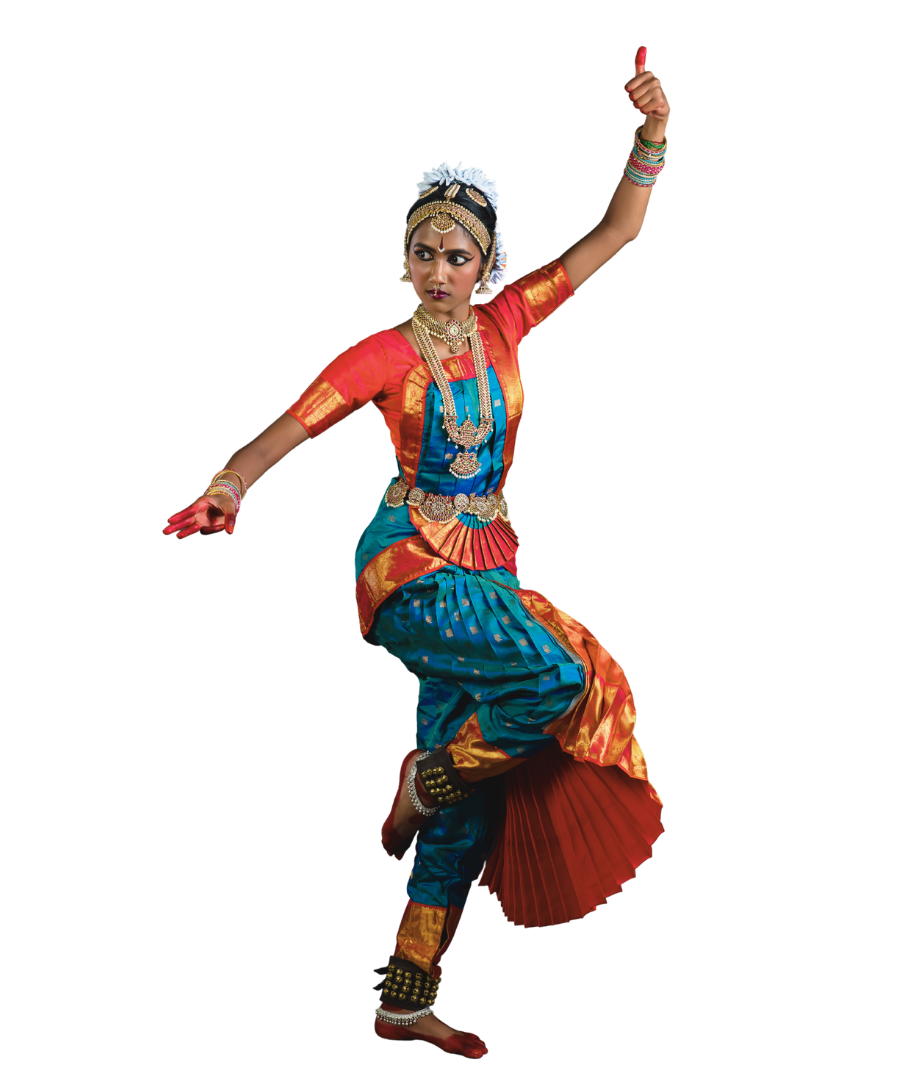
Kannan Varugindra Neram
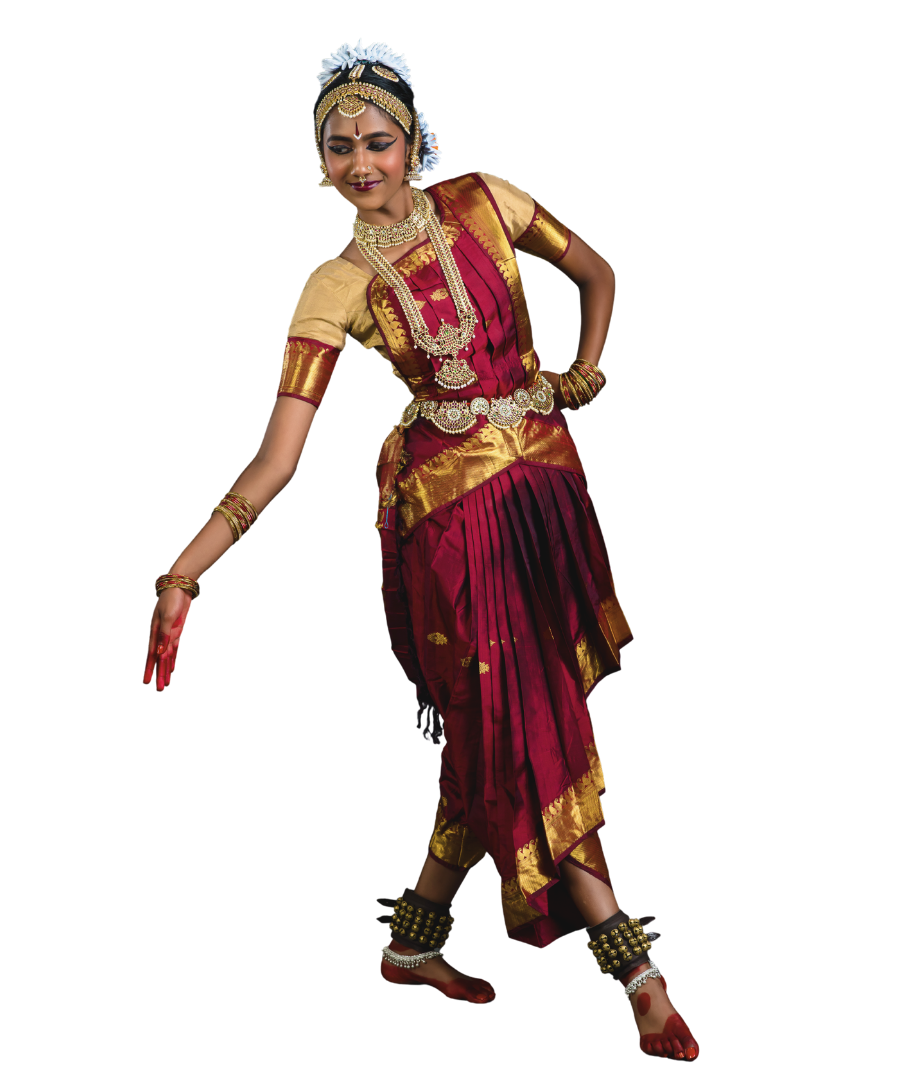
Language: Tamil
Kannan varugindra neram, a Kavadi Chindu, is a joyful, light-classical folk dance piece that captures the nature and deep spiritual longing of a devotee awaiting the arrival of Lord Krishna (Kannan).
Set along a riverbank, the entire universe transforms at His approach; a cooling breeze begins to blow, the silent forest breaks into a divine song, and the life-restoring melody of His distant flute revives all weary souls, surpassing even the sweetest birdsong. This vibrant transformation of nature, with its swirling rivers and lingering winds, perfectly mirrors the joy of the devotees' minds, which are constantly singing praises in his name. As bees swarm jasmine flowers that mirror Krishna’s radiant smile, the overwhelmed devotee wonders if this bliss is a dream or reality, before fiercely reaffirming that Krishna is their ultimate truth. Finally, the flowers eagerly urge one another to cast away all playful hesitations and eagerly rush toward his pearl-adorned crown to share quiet whispers and experience ultimate, divine bliss.
Thillana
Tala: Adhi
Composer: Shri. Lalgudi Jayaraman
Language: Tamil
A Thillana is an energetic and rhythm-driven composition that is usually performed near the end of a dance recital. It is a vibrant dance filled with intricate fast-paced footwork.
This Thillana concludes in an act of absolute surrender to Lord Murugan, where the devotee earnestly seeks his blessings and the divine reassurance to live without fear. The core narrative beautifully shifts from a personal plea for emotional refuge to a grand exaltation of the deity's magnificent presence. The performance illustrates the traditional symbols and identity of Lord Murugan, including his two consorts (Valli and Deivayanai), his sacred weapon (the Vel), and his flag (the red rooster banner).